The Best Bag-in-Box Rosé Wines
We often think of rosé as a modern phenomenon, the product of a fleeting, fashionable trend: easy summer sippers that peak when temperatures rise and heavy reds lose their appeal. Real rosé, however, is a cornerstone of regional Italian heritage, especially across southern Italy, where it has always been poured as an everyday table wine with meals: a world away from mass-market patio drinks, and deeply tied to rural culture.
Independent low-intervention wineries champion native local grapes, using attentive, gentle vinifications to bring out the most authentic, characterful face of rosé.
In Abruzzo, rosé is known locally as Cerasuolo: the longtime companion of home cooking and lively trattorias, celebrated as an agile, food-friendly expression of classic Montepulciano. Far from washed-out or thin, Abruzzese rosés in a Bag-in-Box show off a brilliant bright cherry hue, delivering a crisp, generous, and pleasantly mineral sip.
How is Rosé Wine Made?
Crafting rosé relies on red grapes handled with care to achieve that vibrant shade we expect in the glass. Spoiler alert: no, authentic rosé is never made by mixing white and red wines together! Winemakers generally rely on two classic approaches:
- Skin maceration: Red grapes are picked slightly early and left to macerate on their skins, which contain anthocyanins: water-soluble pigments that give wine its color. For the pale tones typical of Provençal wines, skin contact rarely exceeds 6 to 12 hours. The Bag-in-Box rosés on Sfusobuono feature a deeper, more intense color, achieved through at least 24 hours of skin contact.
- Saignée (bleeding): A French technique mostly found in conventional winemaking, where a portion of pink juice is drained from a tank of fermenting red must, concentrating the remaining red wine while leaving a rosé base. This method is especially common when preparing base wines for Champagne and traditional method sparkling wines.
Food and Rosé Pairings
Bag-in-Box rosés are built for outdoor lunches, picnics, and sunset aperitivi, thanks to their refreshing ease and inviting aromas. These rosés pair effortlessly with a generous platter of regional cured meats, such as cured and cooked salame, alongside fresh or semi-aged cheeses like goat cheese, Robiola, or Toma di Roccaverano. Southern Italian rosés easily stand up to richer dishes such as seafood brodetto or garlicky marinara mussels, not to mention a classic pizza Margherita or a pinsa topped with creamy stracciatella, fresh rocket, and sweet cherry tomatoes.
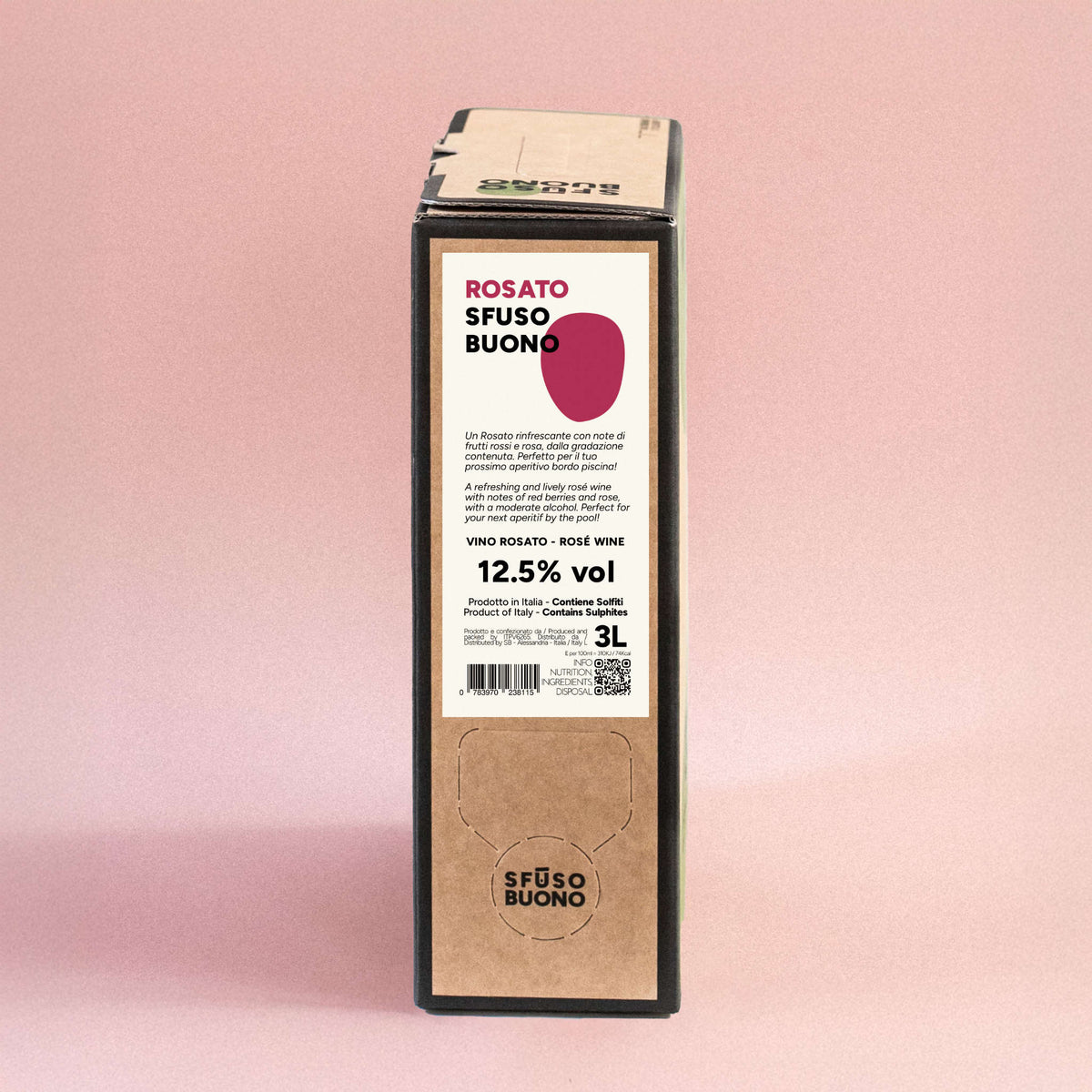
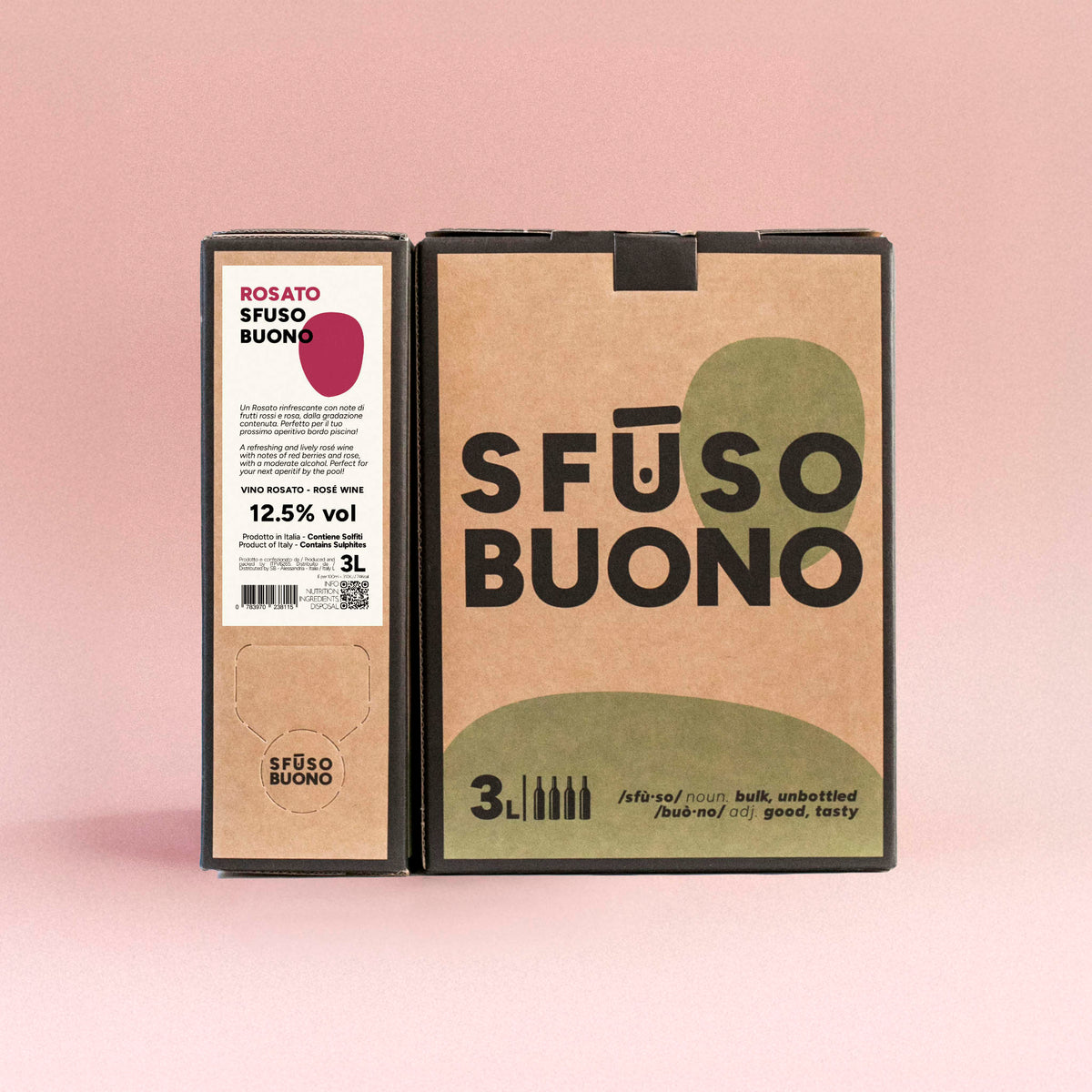
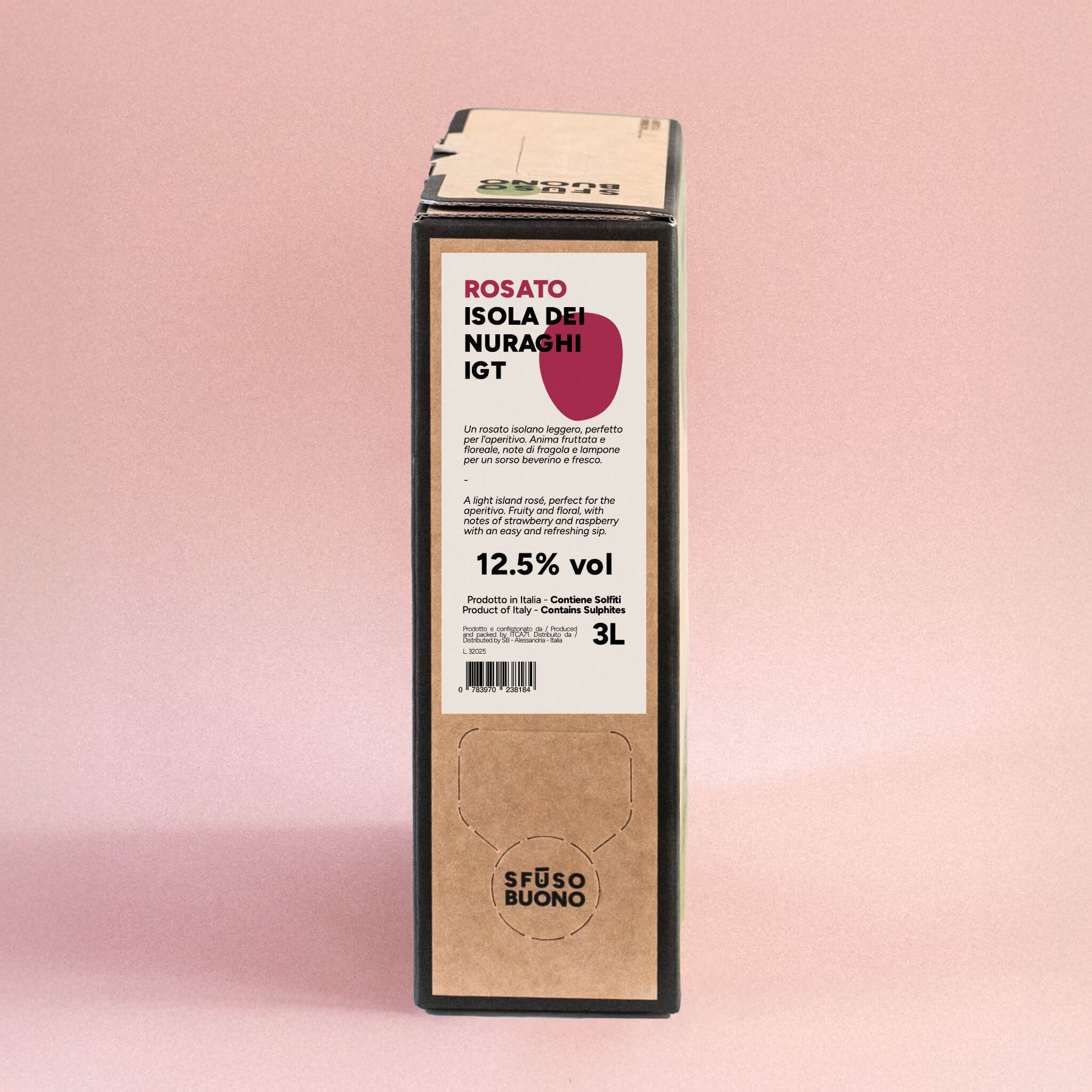
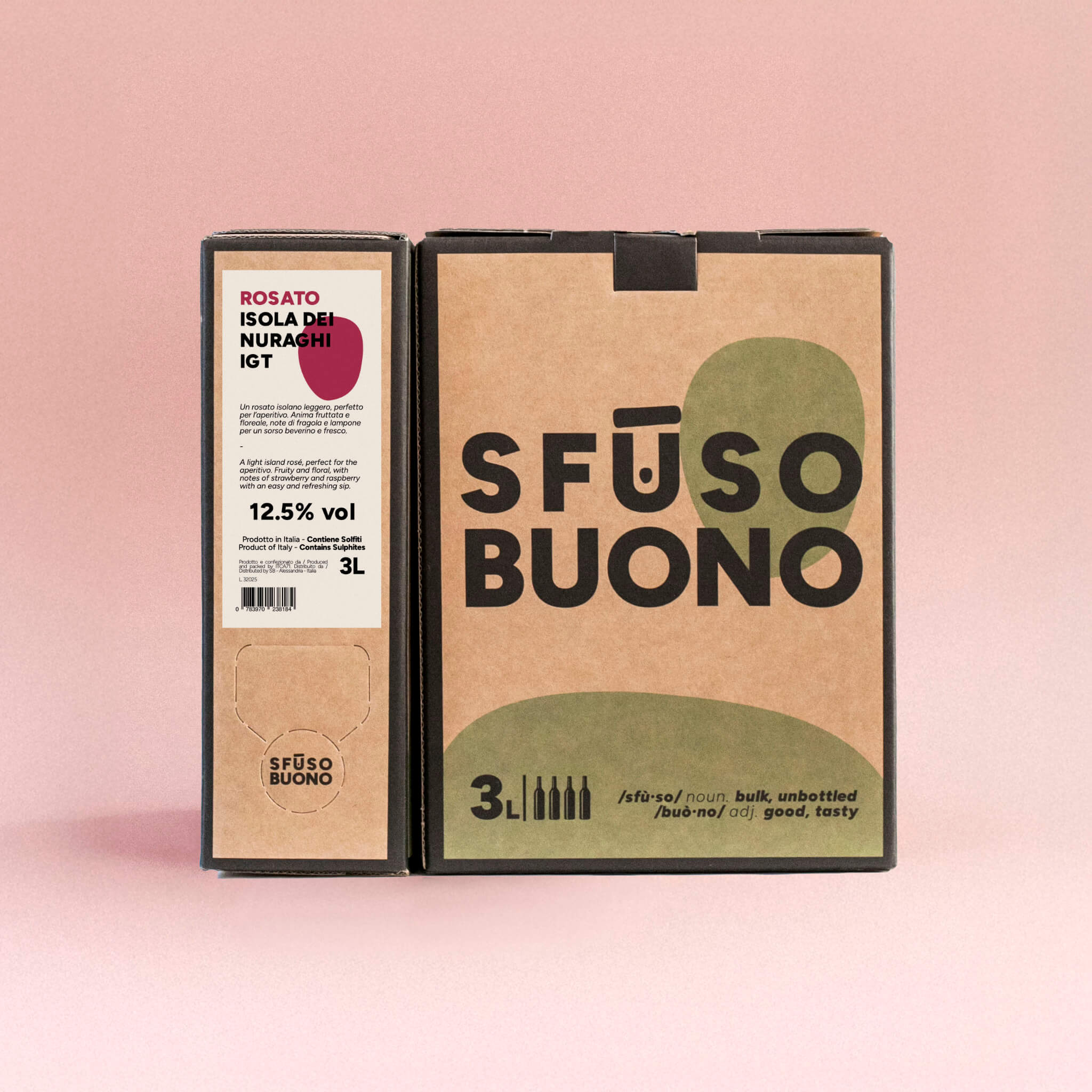
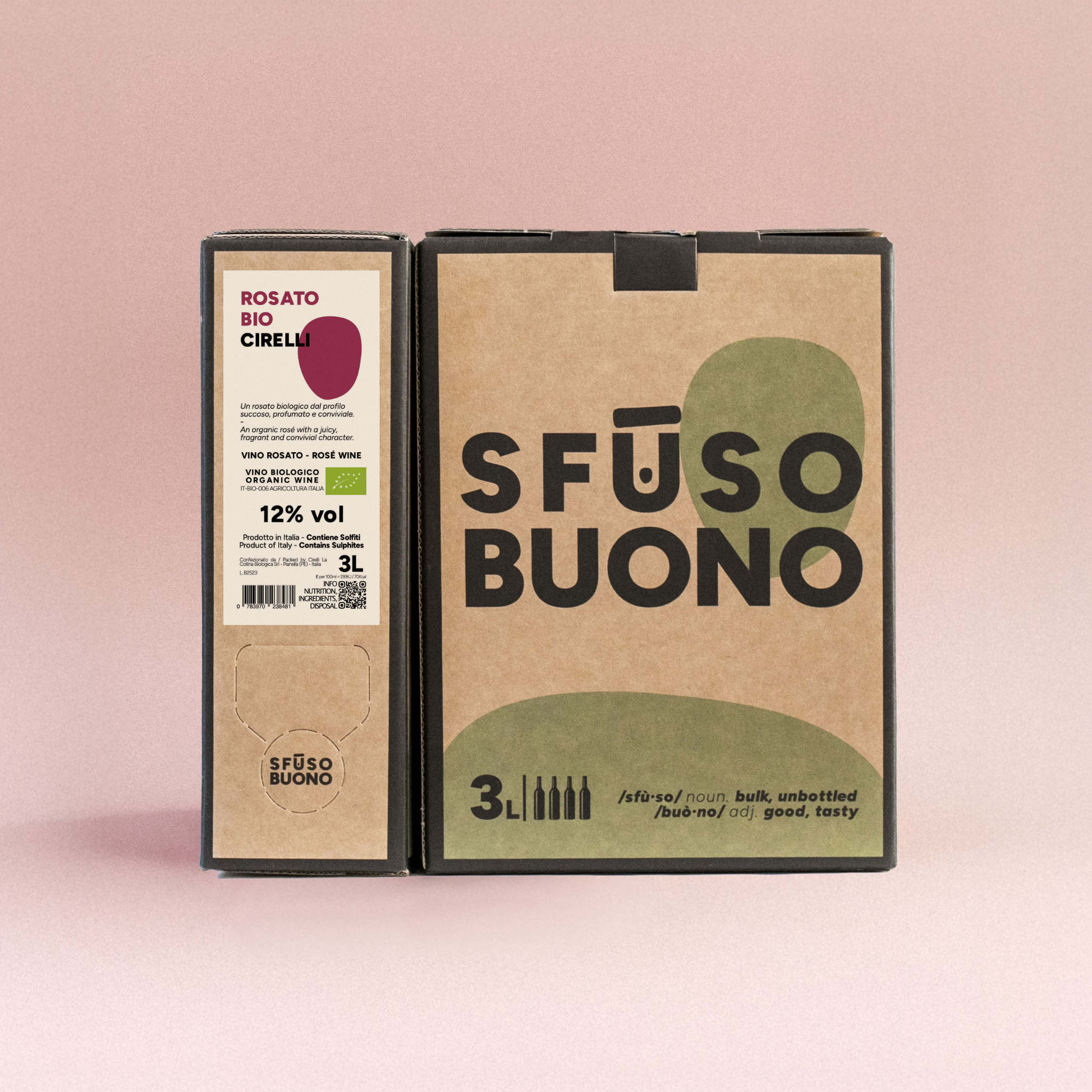
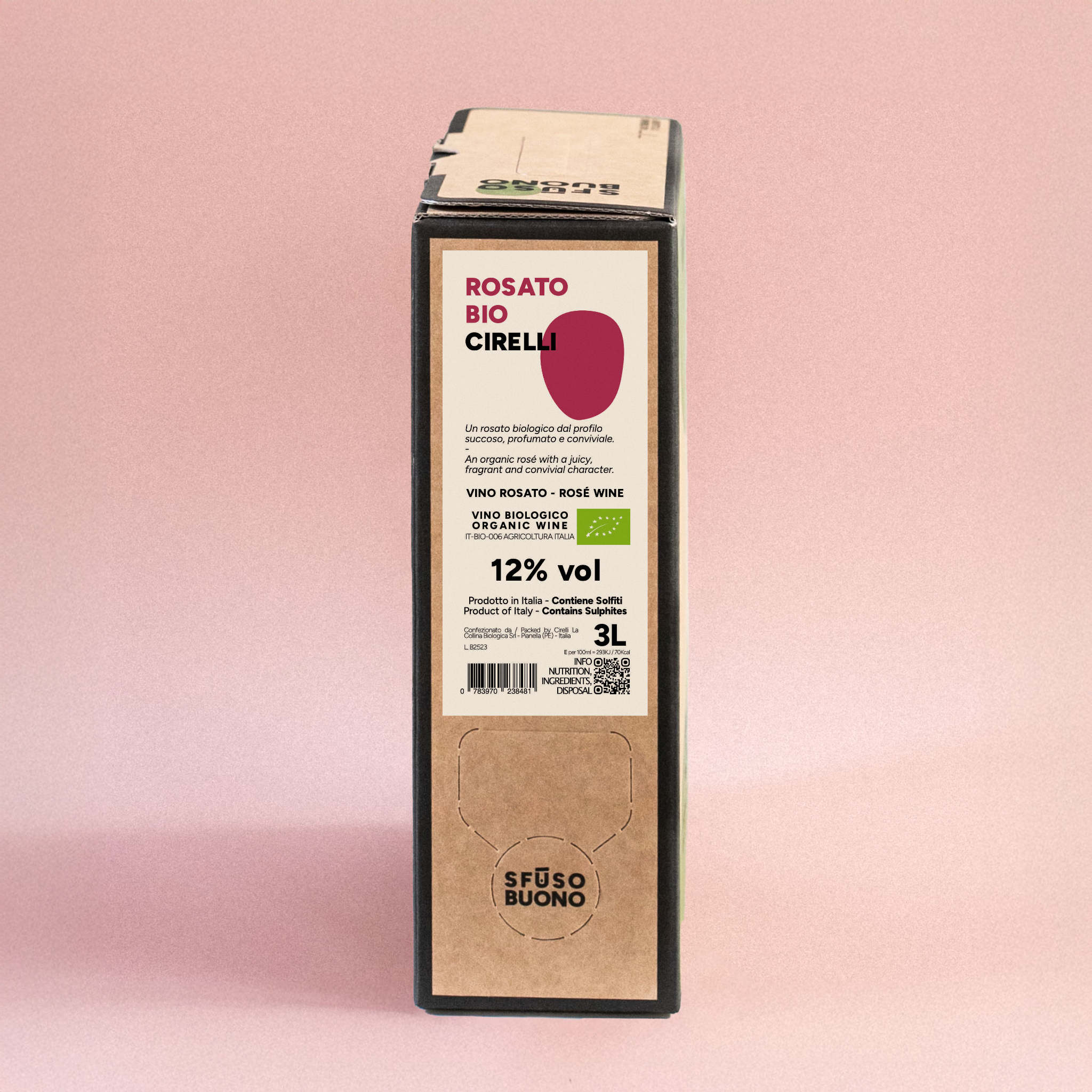
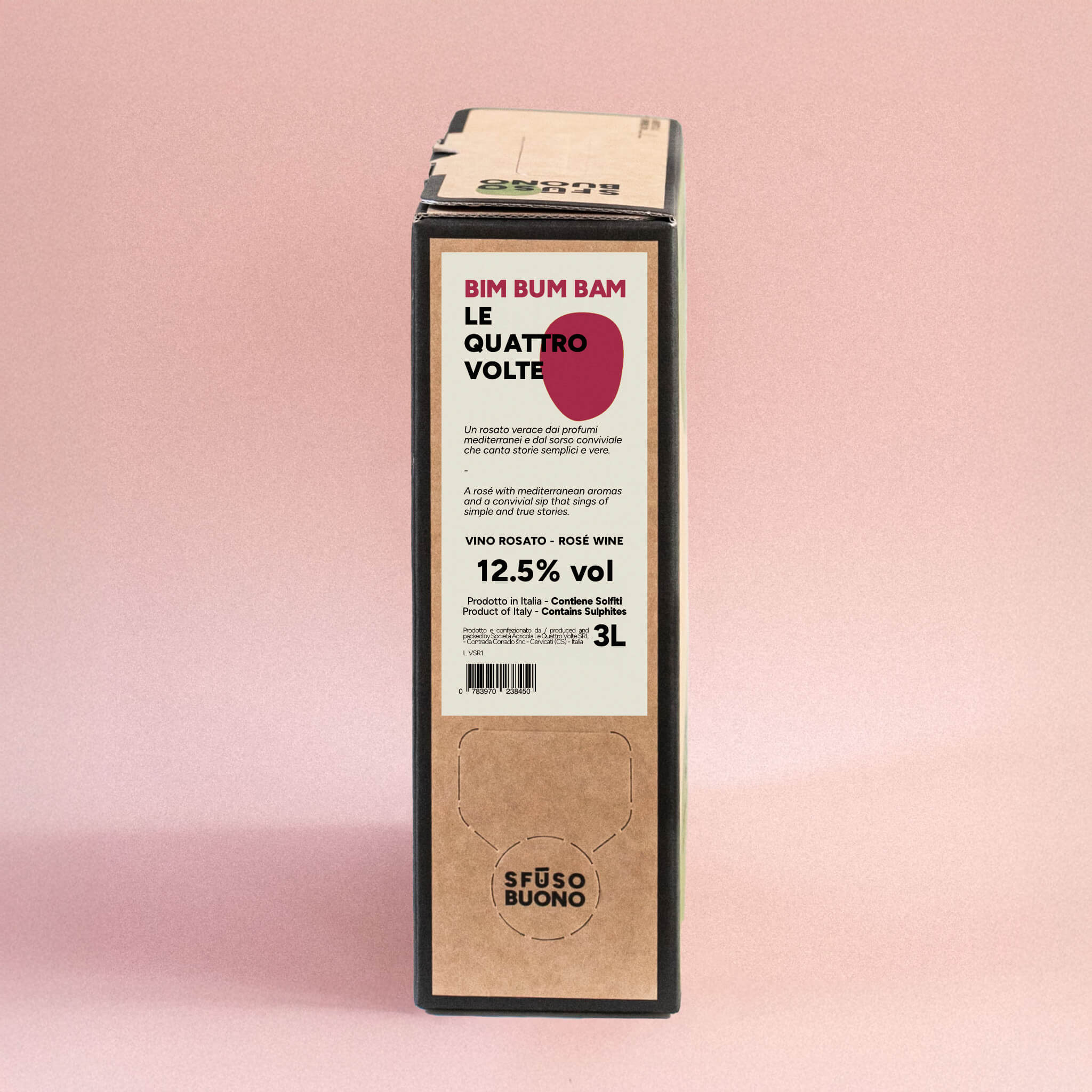
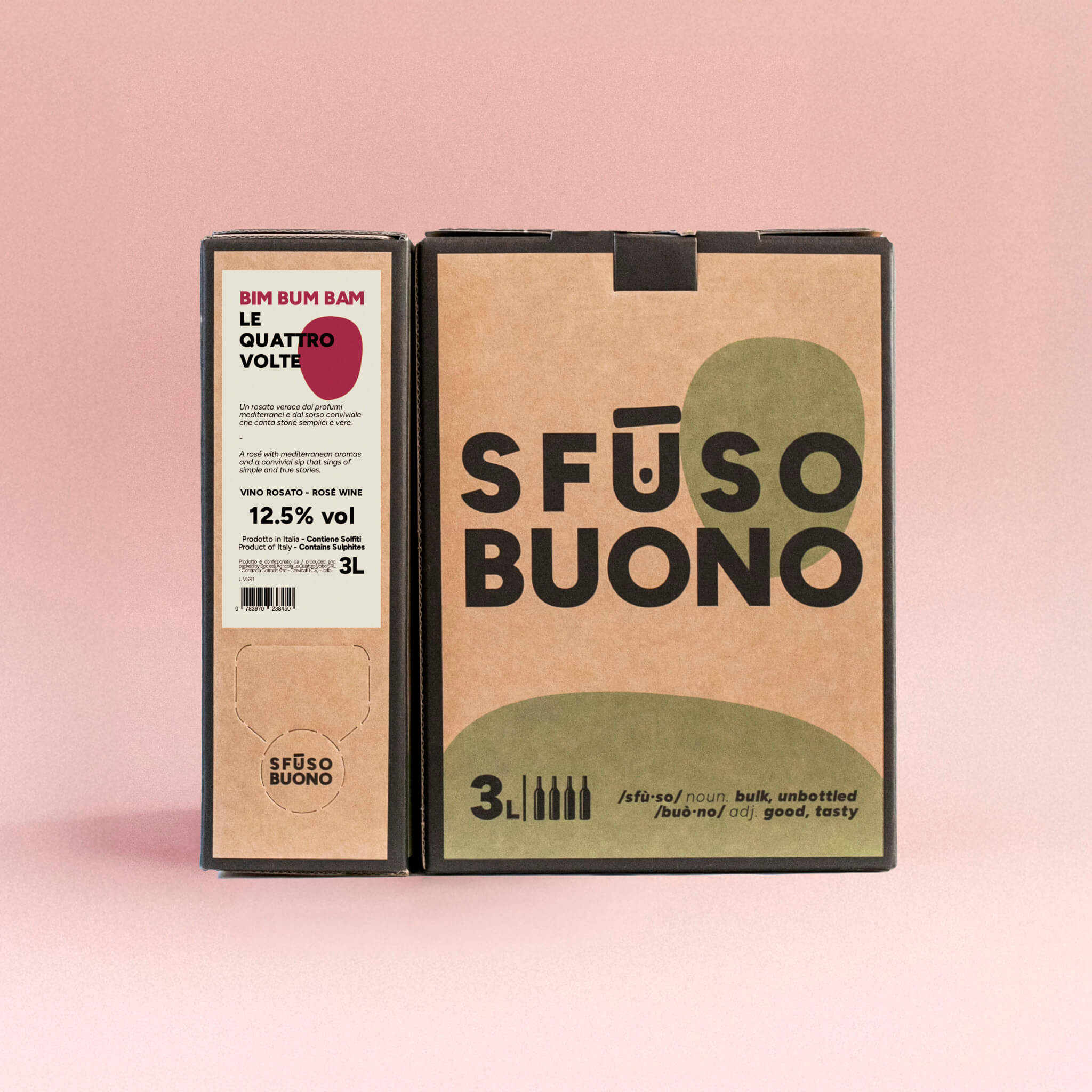
On Sfusobuono, you will find a curated lineup of natural Bag-in-Box rosés from across Italy, made with organic and sustainable vineyard practices and zero chemical additives in the cellar. Discover artisan rosé in a box at fair prices, guided by our food pairing ideas, seasonal selections, and winemaker notes.