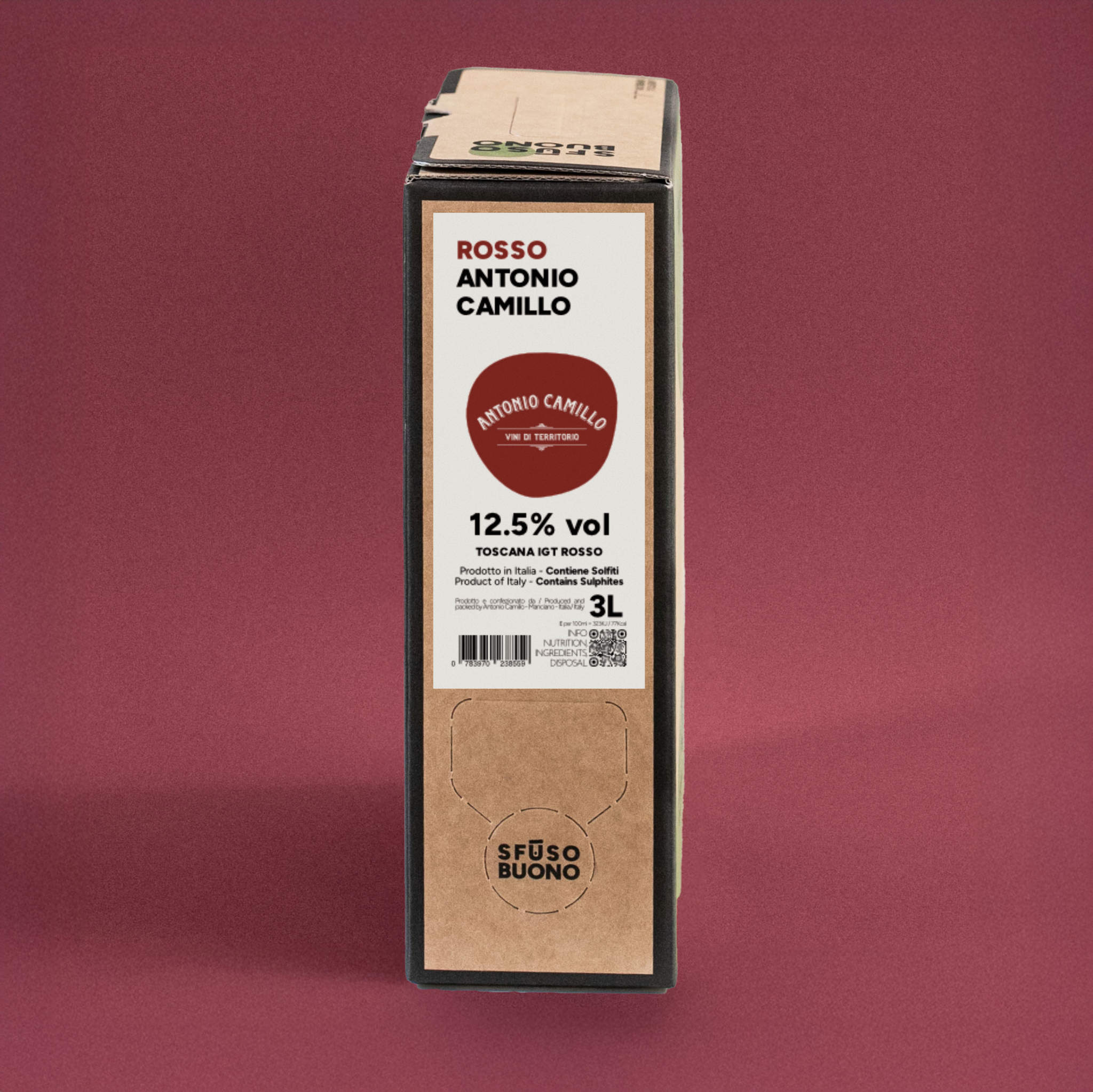
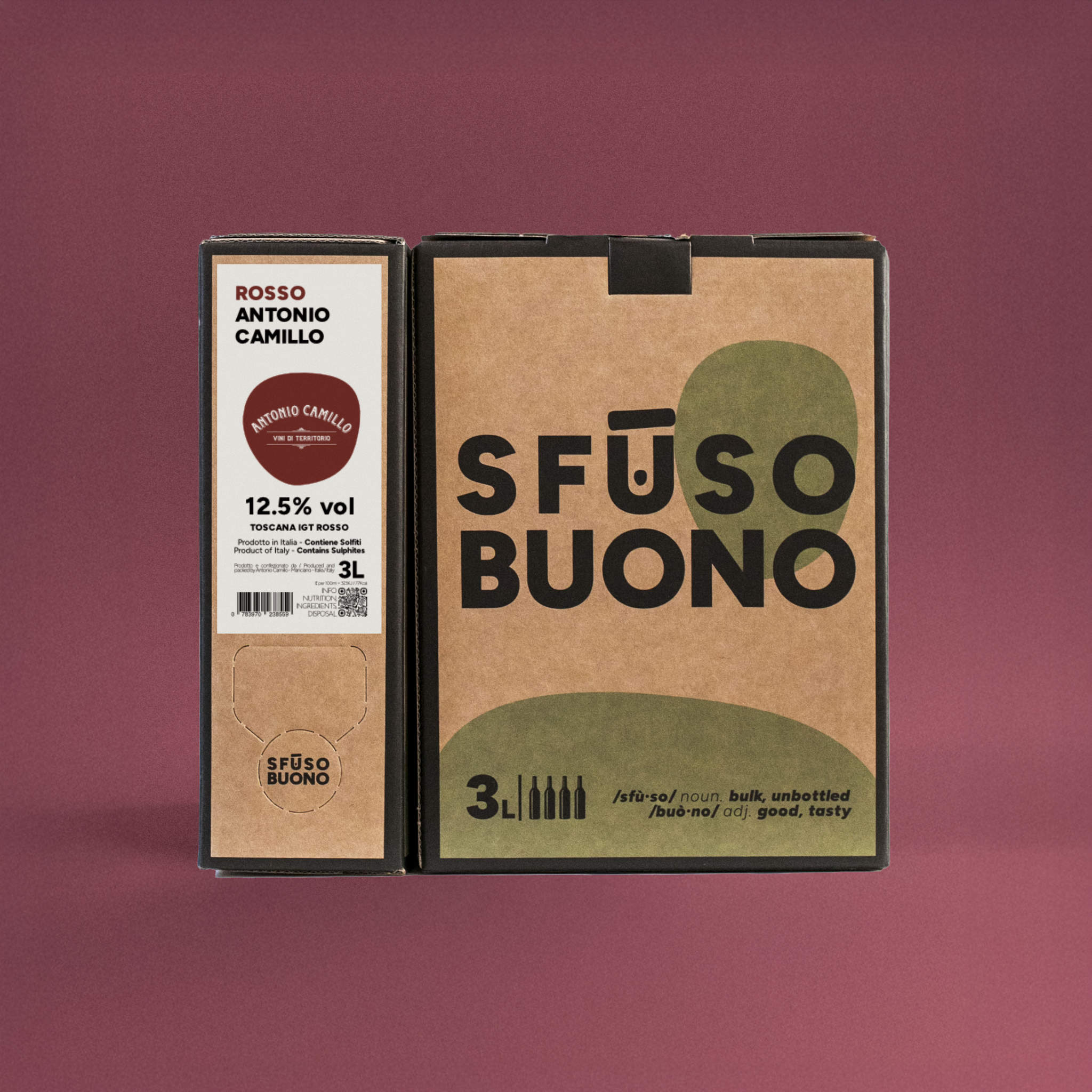
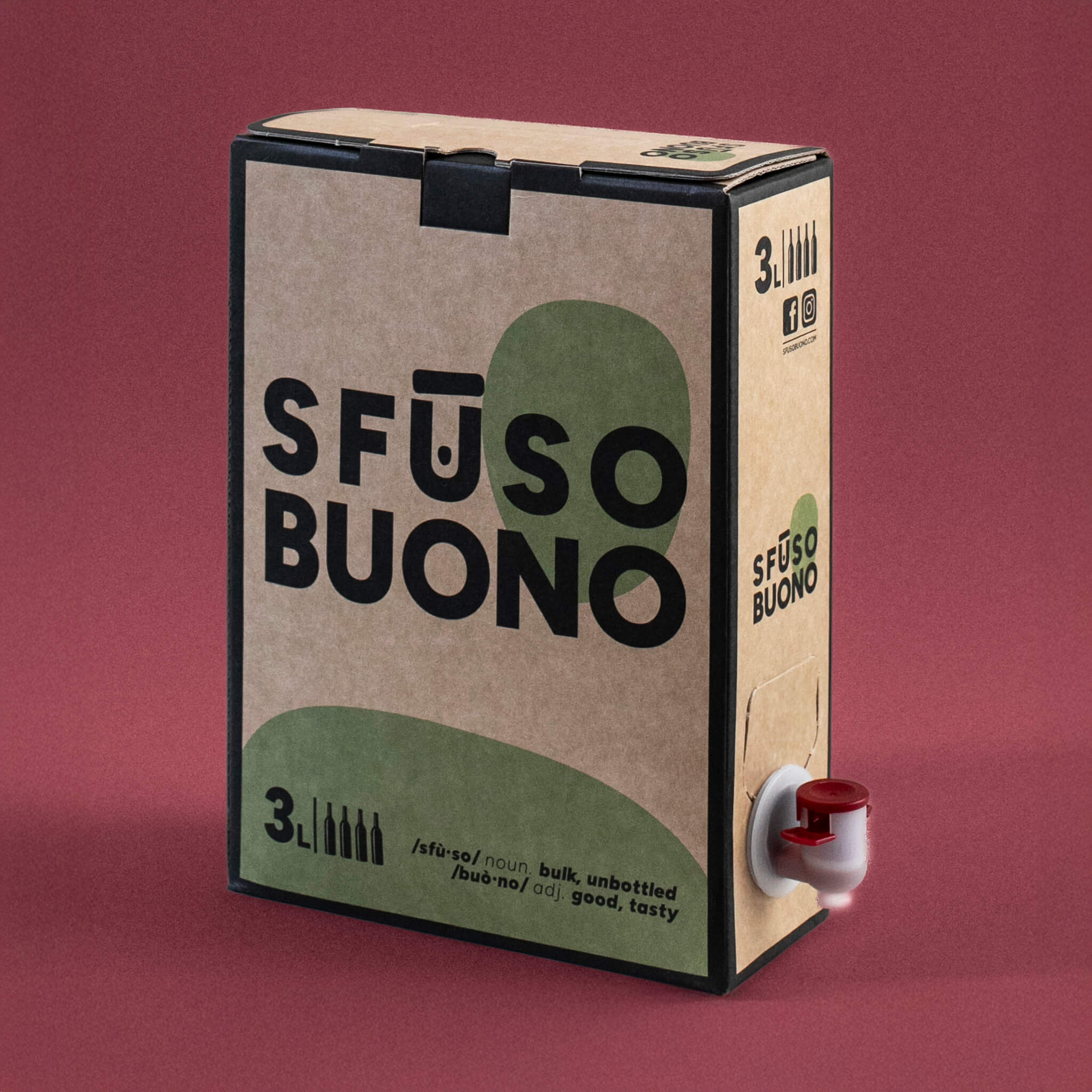
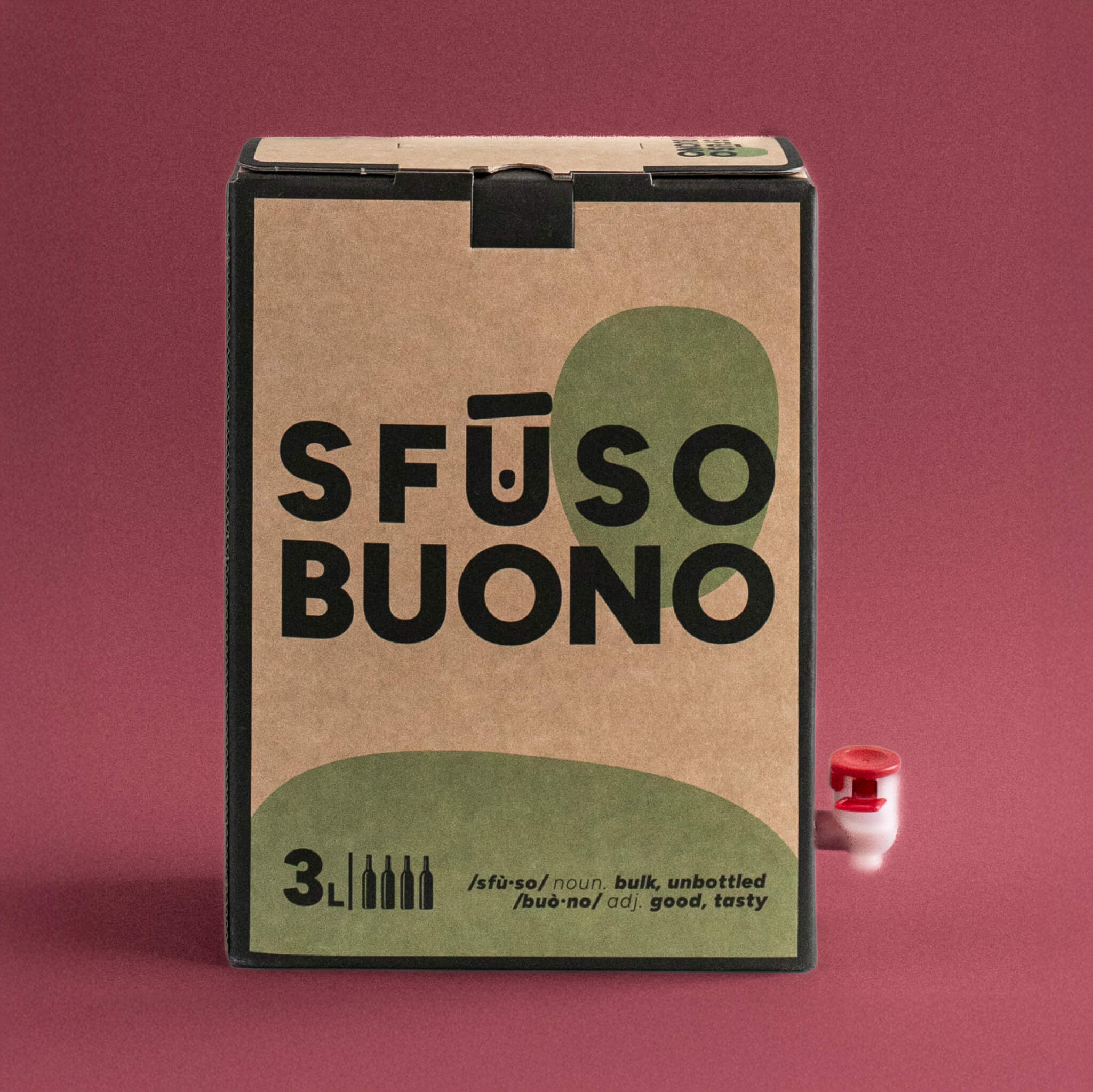
Tuscan Sangiovese: the most noble table wine in Italy.
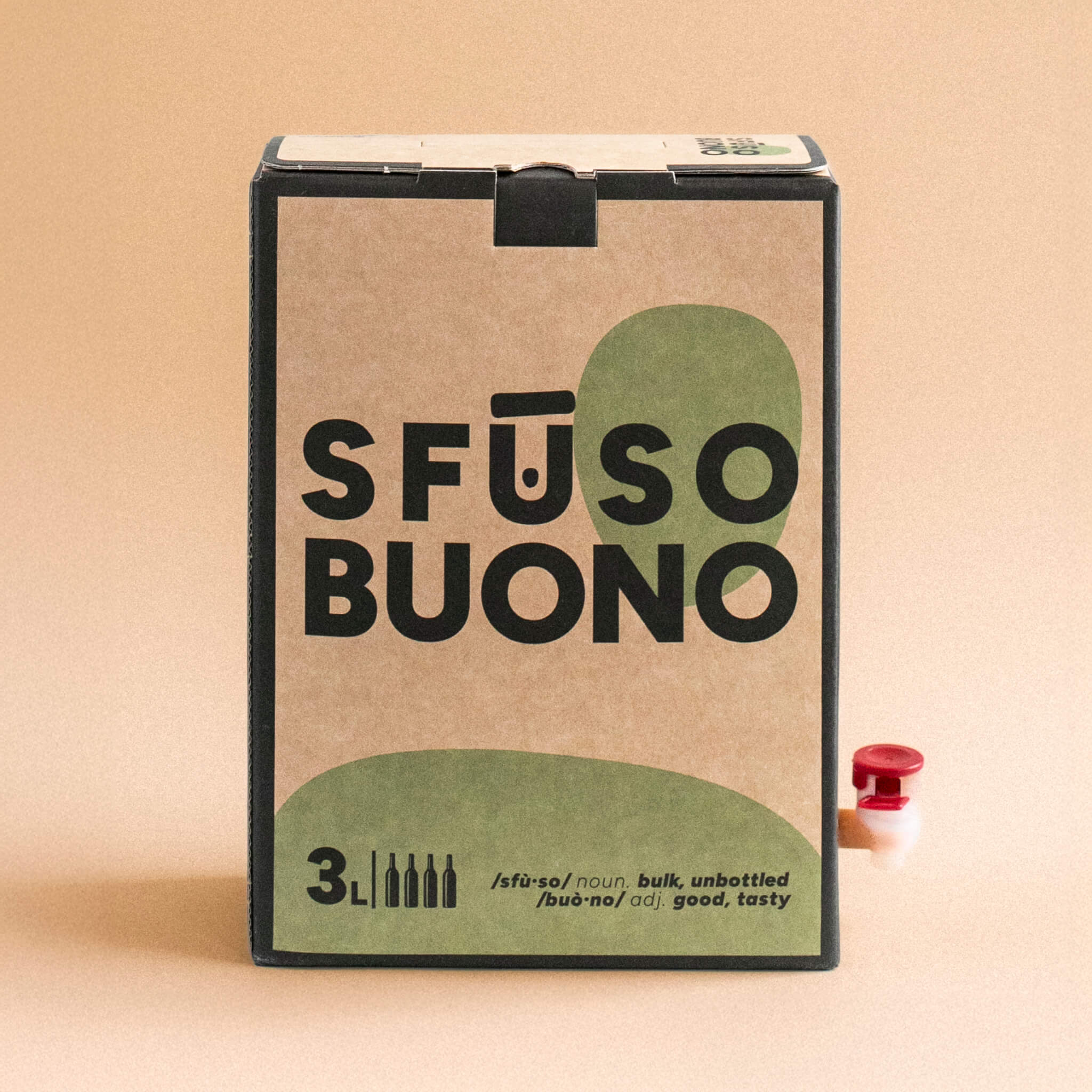
Sangiovese is Italy’s most widely planted grape and the soul behind nearly all great Tuscan reds, from Chianti to Brunello di Montalcino, Morellino di Scansano to Vino Nobile di Montepulciano. But long before becoming a status symbol of fine Italian winemaking, Sangiovese was the farmer’s wine: bought in bulk demijohns, poured straight from straw-wrapped flasks, and served at the table without any fuss. That is the tradition we keep alive at Sfusobuono: artisanal Sangiovese in a Bag in Box, crafted without selected yeasts or fining agents, staying true to the philosophy of those who made wine to drink it, not to show it off. Sangiovese stands out for its lively ruby color, vibrant acidity (which makes it remarkably food-friendly and easy to drink), present yet never aggressive tannins, and an aromatic profile led by cherry, plum, violet, and hints of red earth. Vinified in stainless steel and enjoyed young, it offers pure freshness and immediacy; aged briefly in concrete or large casks, it gains depth and complexity without losing the straightforward character that makes it irreplaceable at the table.
Meet the winemakers: Antonio Camillo & Buondonno
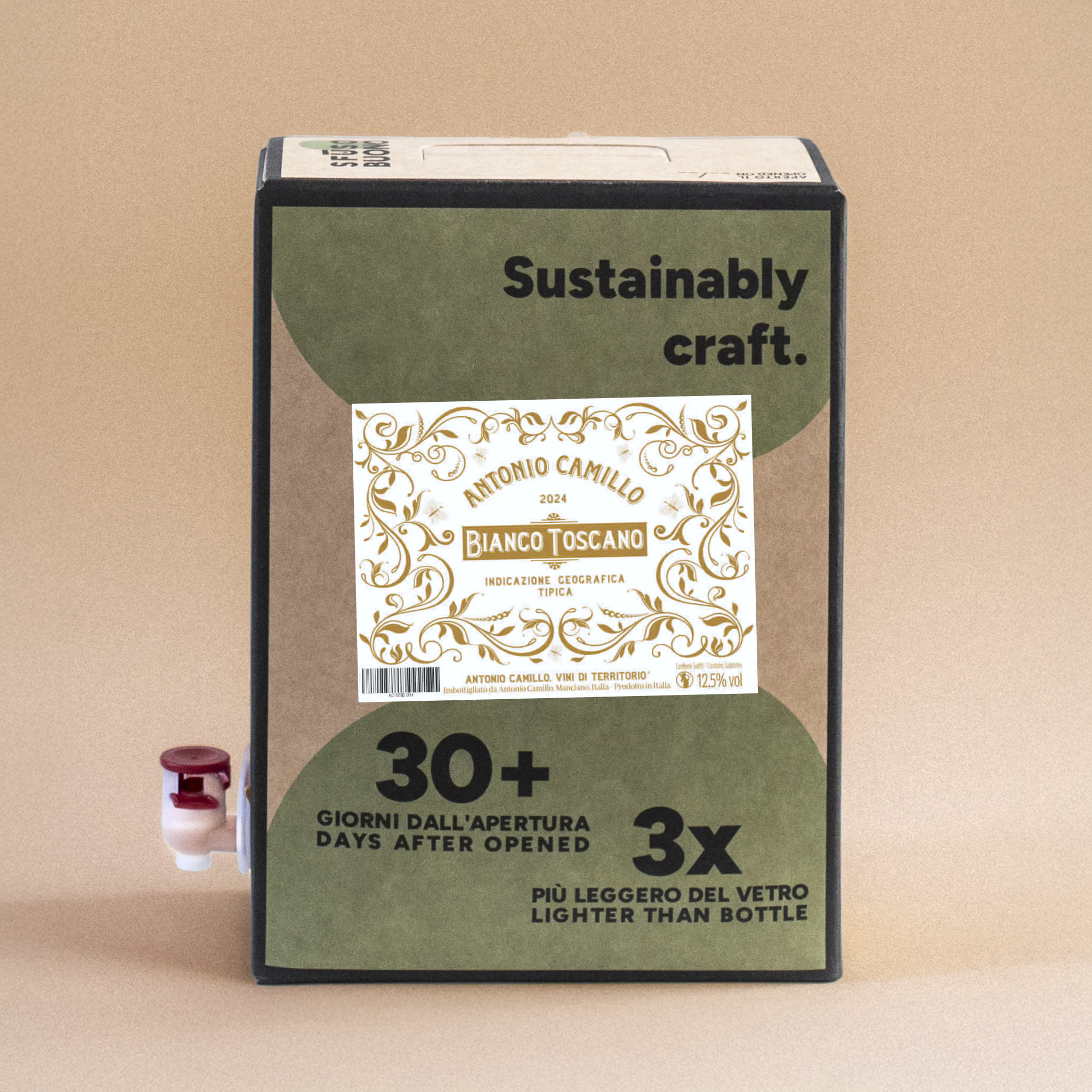
Antonio Camillo is an artisan winemaker from the Tuscan Maremma, an area stretching between Grosseto and the border with Lazio, where the wine identity remains wild and far less codified than in Chianti. He focuses on a blend of native Maremman grapes, specifically Ciliegiolo and Sangiovese, relying on natural vinification, wild fermentation in concrete vats, and virtually zero added sulfites. His wines are straightforward, authentic, and deeply rooted in their terroir. He also crafts a characterful skin-contact white, blending local white varieties such as Malvasia, Trebbiano, and Ansonica with a few hours of skin maceration. Buondonno is a certified organic farm nestled in the hills of Chianti Classico. They produce a Rosso Toscana IGT from 100% Sangiovese, following a biodynamic approach alongside EU organic certification. The result is an elegant, supple, and floral red, featuring silky tannins and a distinct finesse that speaks directly of its Chianti roots.
Tuscany's wine regions: Maremma, Chianti, and beyond
Tuscany is a deeply rich and multifaceted wine region, home to more than 40 DOC and DOCG appellations across remarkably diverse landscapes. Chianti Classico, nestled between Florence and Siena, stands as the world's most famous home for Sangiovese, known for elegant wines built to age gracefully. In contrast, the Tuscan Maremma, home to Antonio Camillo, represents the wilder and most thrilling frontier of contemporary Tuscan wine: volcanic and limestone soils, rare native grapes, and independent winemakers working with genuine freedom outside the most rigid production rules.
Pairing guide: what to serve with Tuscan Bag-in-Box wines
Tuscan Sangiovese is the quintessential food wine. Its bright acidity, prominent tannins, and structured profile make it the ultimate partner for dishes packed with umami, richness, and bold flavors. The time-honored match is Bistecca alla Fiorentina: the succulence and savory marbling of Chianina beef find their ideal counterpart in Sangiovese. Yet, our Tuscan red in a Bag-in-Box works just as brilliantly alongside wild boar stew, pici with meat ragù, ribollita, pappa al pomodoro, and virtually any staple of Tuscan cucina povera. Aged cheeses such as Pecorino di Pienza, Marzolino, and Caciotta Senese also sing when poured next to a red with solid backbone. For Antonio Camillo’s skin-contact white, the playground shifts. Think medium-aged cheeses, classic Tuscan cured meats like finocchiona and sopressata, and mushroom-forward recipes, whether sautéed porcini or a rich seasonal mushroom risotto, where the wine’s delicate tannic grip meets its match.