How white wine is made: white vinification
White winemaking involves fermenting the juice obtained from white grapes without any contact with the skins. The goal is to craft wines that are crisp, light, and well-balanced, showing a bright, clear appearance alongside vibrant floral and fruity aromas. The grapes are gently destemmed and pressed; the resulting free-run juice, known as mosto fiore, ferments in stainless steel or concrete vats driven entirely by the indigenous yeasts naturally present on the grape skins, which convert the sugars into alcohol until fully fermented dry. The white wines on Sfusobuono feature added sulfite levels far below legal limits, typically under 50 mg/liter.
Specific techniques can be used throughout the process to accentuate or soften particular notes. Cold maceration (or cryomaceration) involves keeping juice and skins in contact for 12 to 24 hours at 5 to 8°C prior to fermentation, pulling delicate primary grape aromas from the inner skin. Malolactic fermentation converts harsher malic acid into softer, creamier lactic acid; in low-intervention and natural wines, this occurs strictly on its own, without inoculated commercial bacteria cultures. Oak aging, which we deliberately skip for our everyday whites, would add heaviness and toasted vanilla or buttery tones: qualities suited to collectible cellar bottles, not refreshing everyday drinking.
Natural white wines in Bag-in-Box: what you will find on Sfusobuono
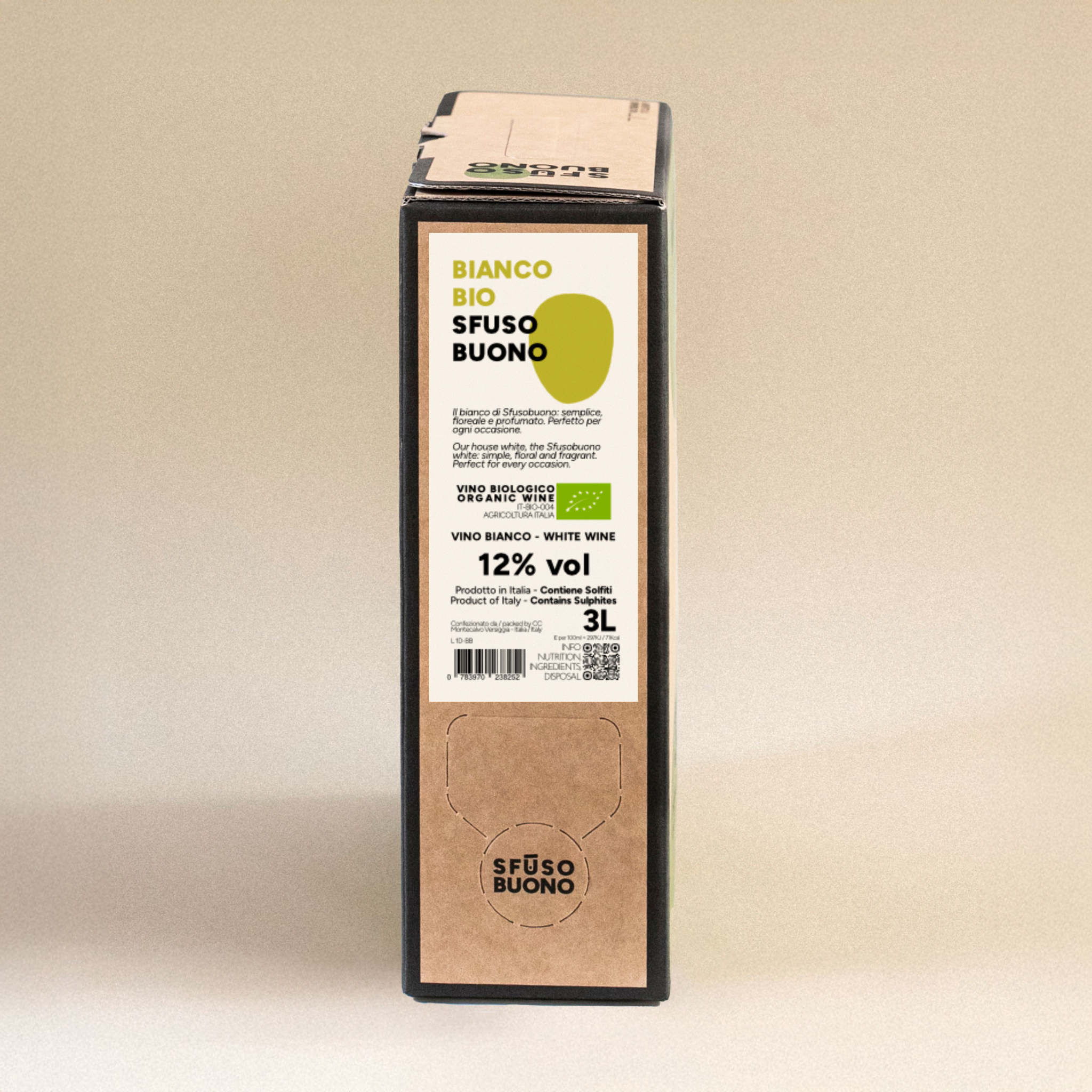
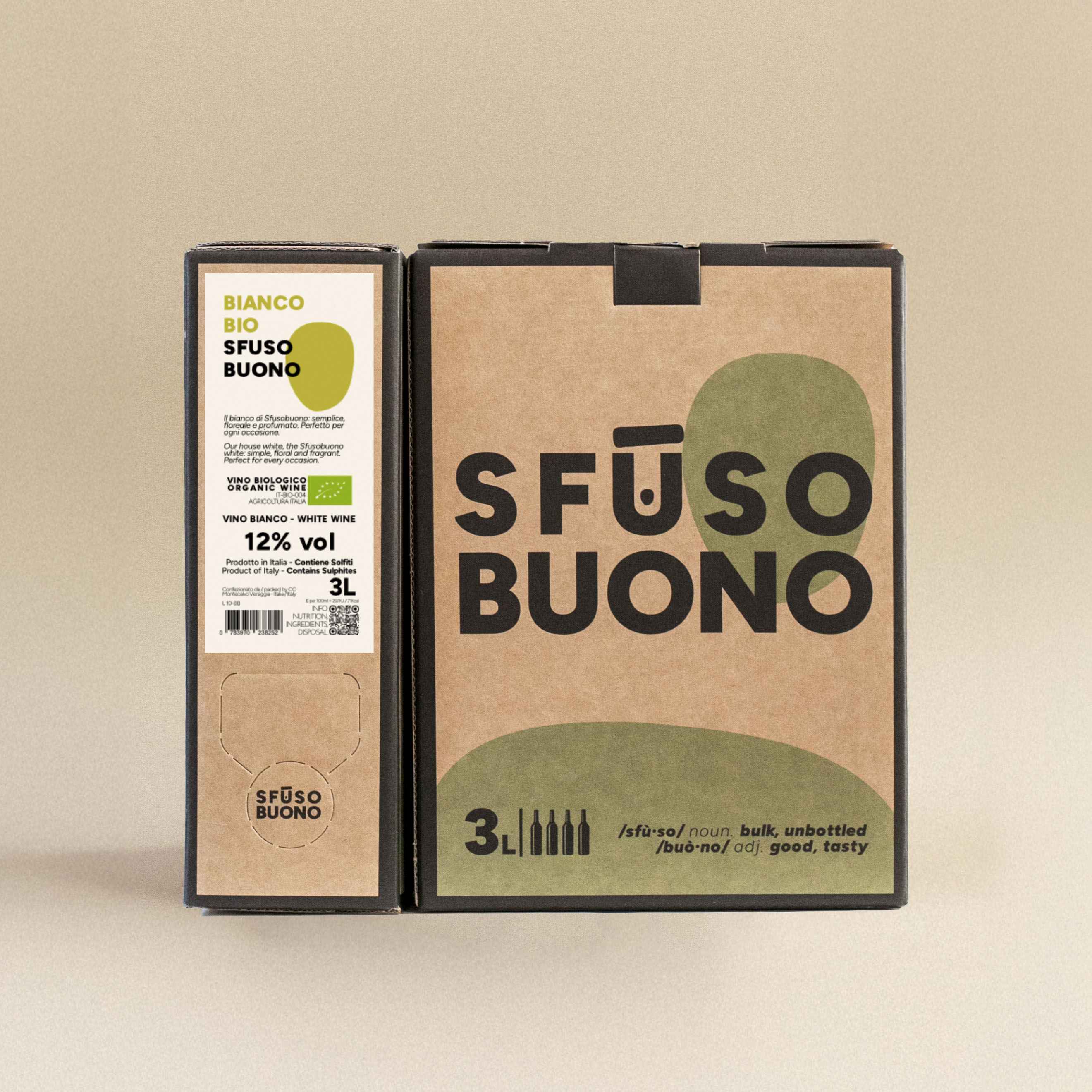
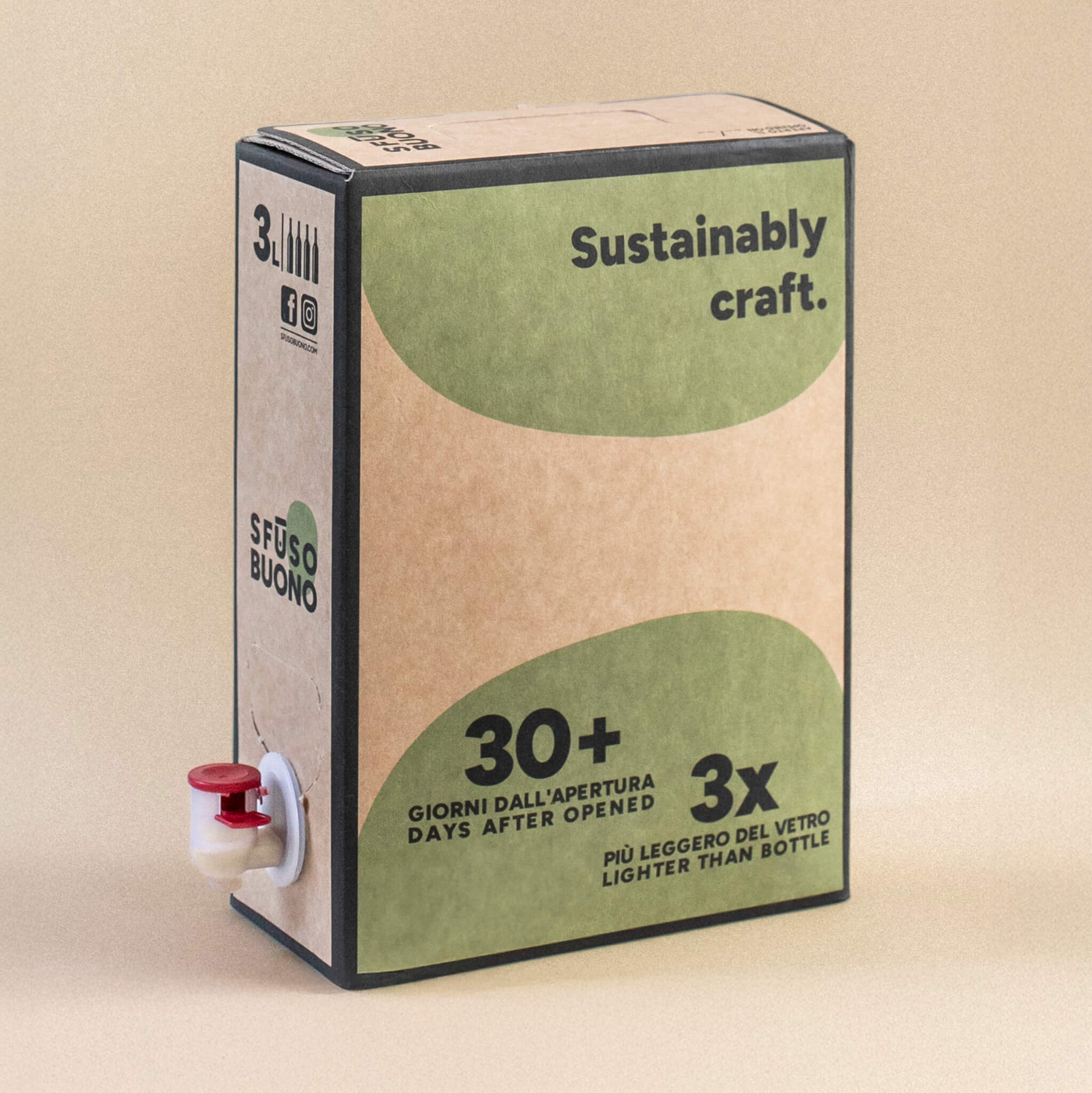
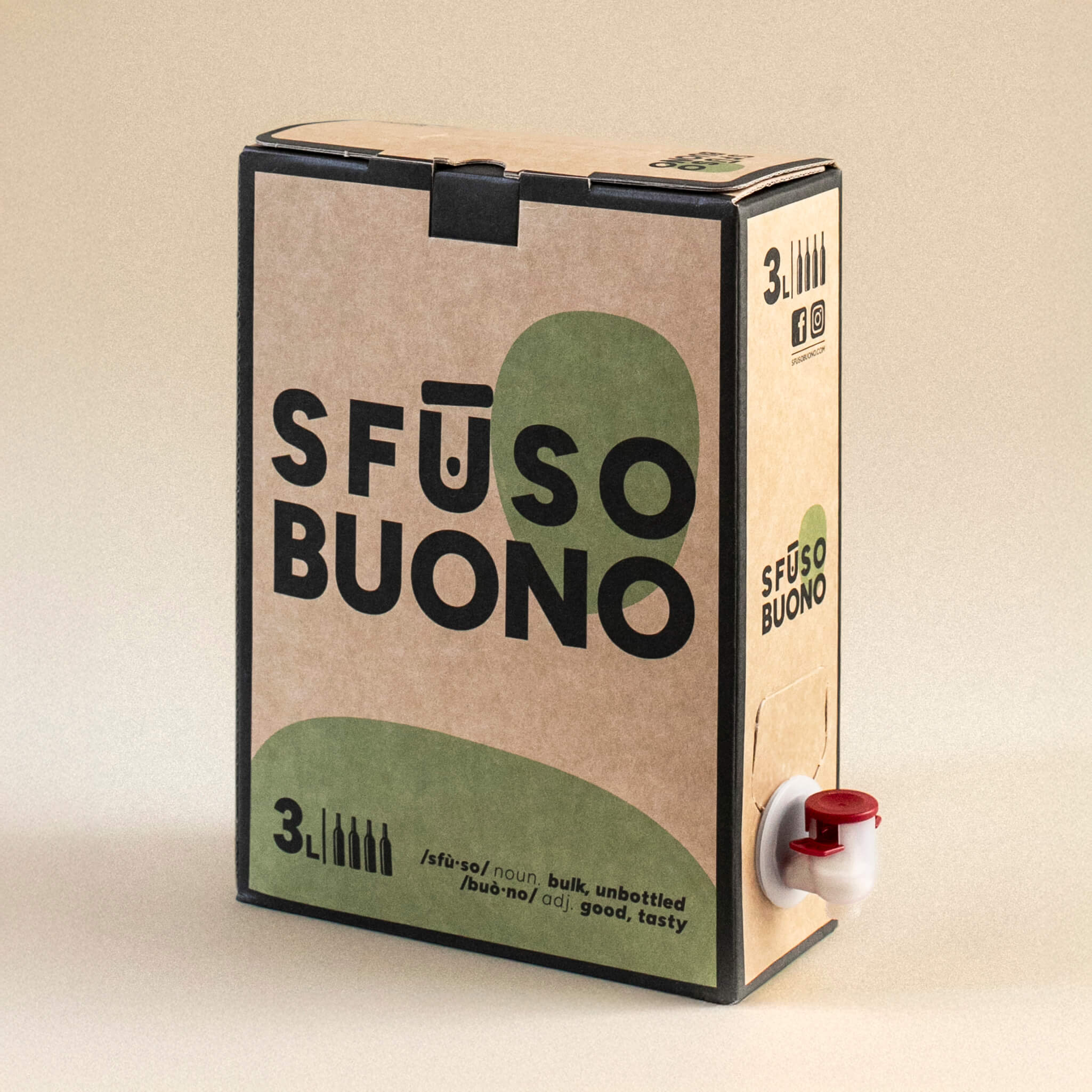
The white wines in Bag-in-Box on Sfusobuono are crafted using wild yeasts, matured in stainless steel or concrete, and boxed with minimal sulfites added solely at packaging to keep the wine vibrant in its airtight pouch. No oak barrels, no cultured yeasts, no industrial fining agents.
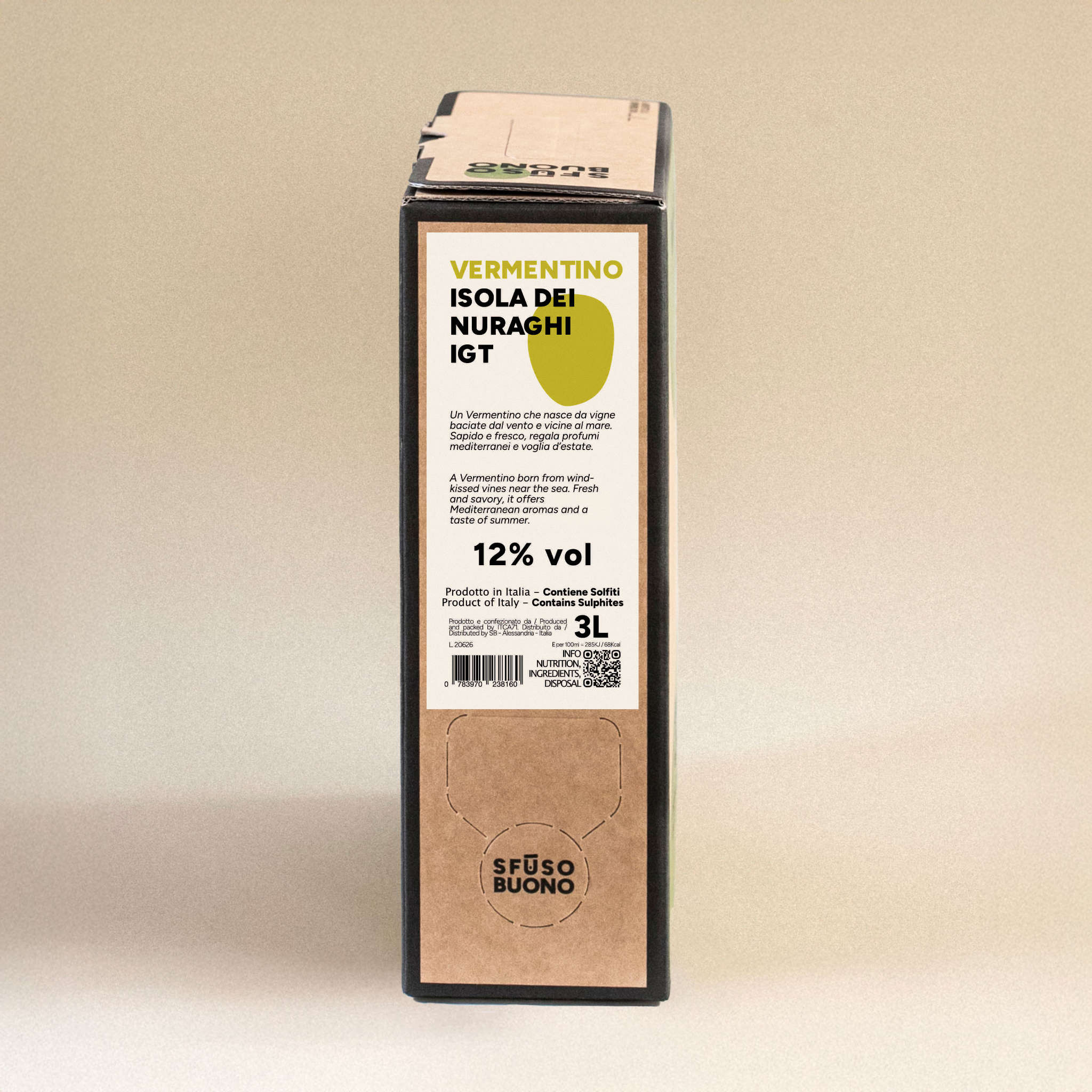
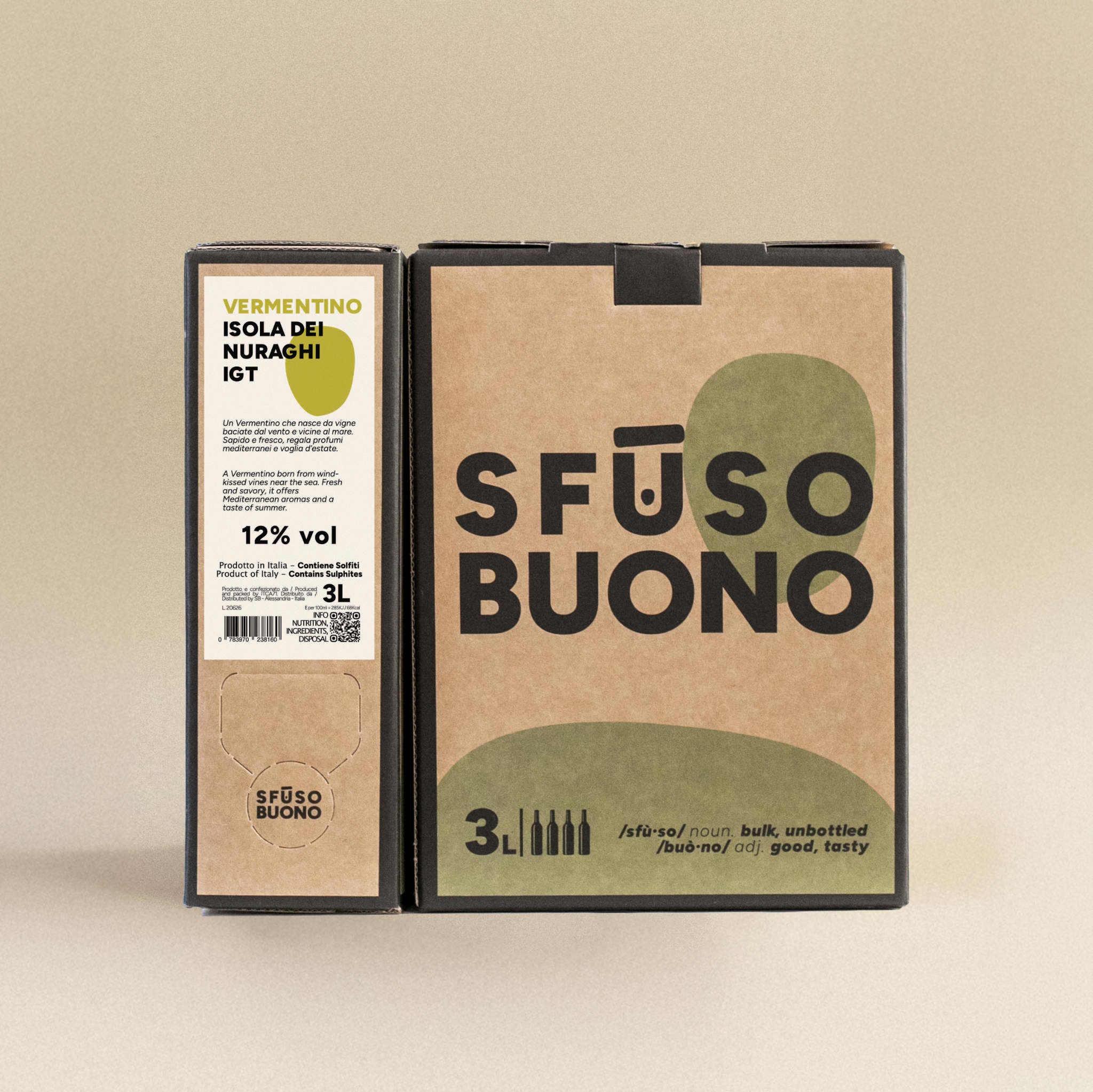
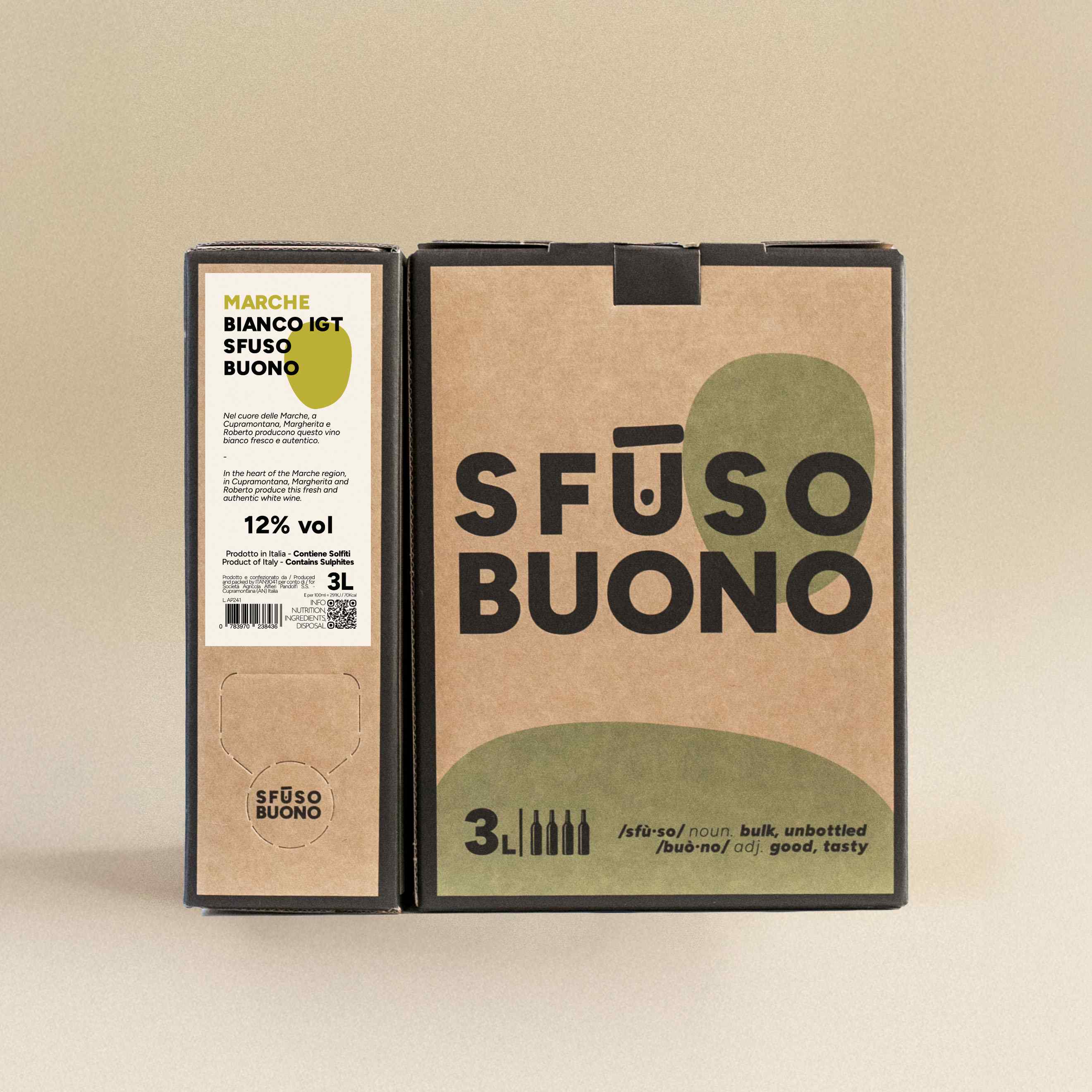
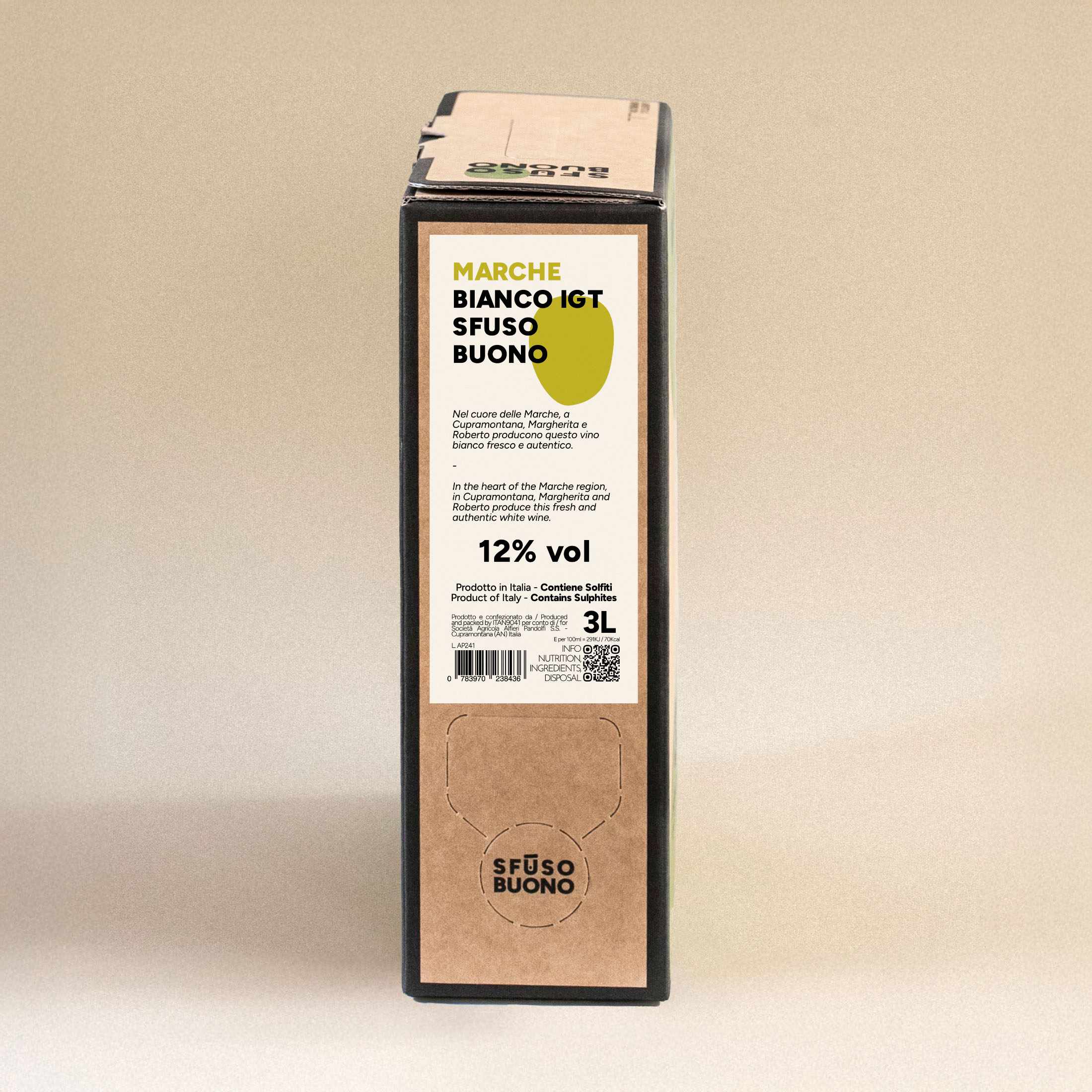
Our selection spans Italy from north to south. In Piedmont, Langhe Arneis DOC delivers aromatic, mineral depth with an agile, everyday sip: the definitive table white for Piedmontese locals. In Veneto, Terre Grosse crafts low-alcohol organic whites from certified organic farming, including an exciting white made from disease-resistant PIWI grapes. In Sicily, Fabio Ferracane produces an unadulterated Catarratto Terre Siciliane DOC, an indigenous grape offering savory depth and sunny Mediterranean personality. In Sardinia, Vermentino Isola dei Nuraghi IGT channels the genuine minerality and sea spray of the coast. Heading into central Italy, Francesco Cirelli in Abruzzo offers Trebbiano in its purest organic expression, while in the Marche, Margherita and Roberto craft an approachable, easy-drinking Verdicchio Marche IGT. For those craving an aromatic, perfume-forward pour, the Moscato and Sauvignon blend from Cantina Adriano hits the spot.
Food pairings: what to enjoy with Bag-in-Box white wine
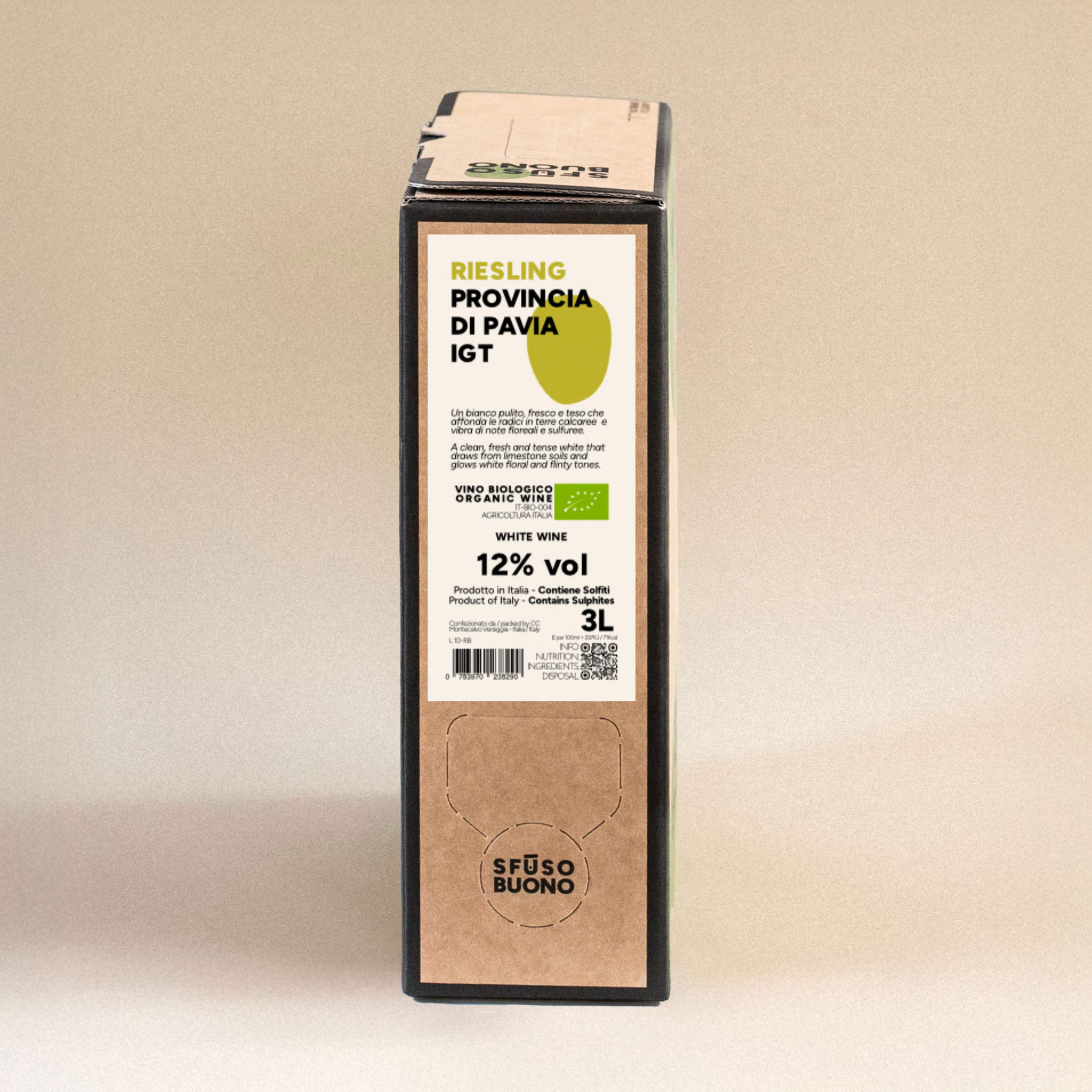
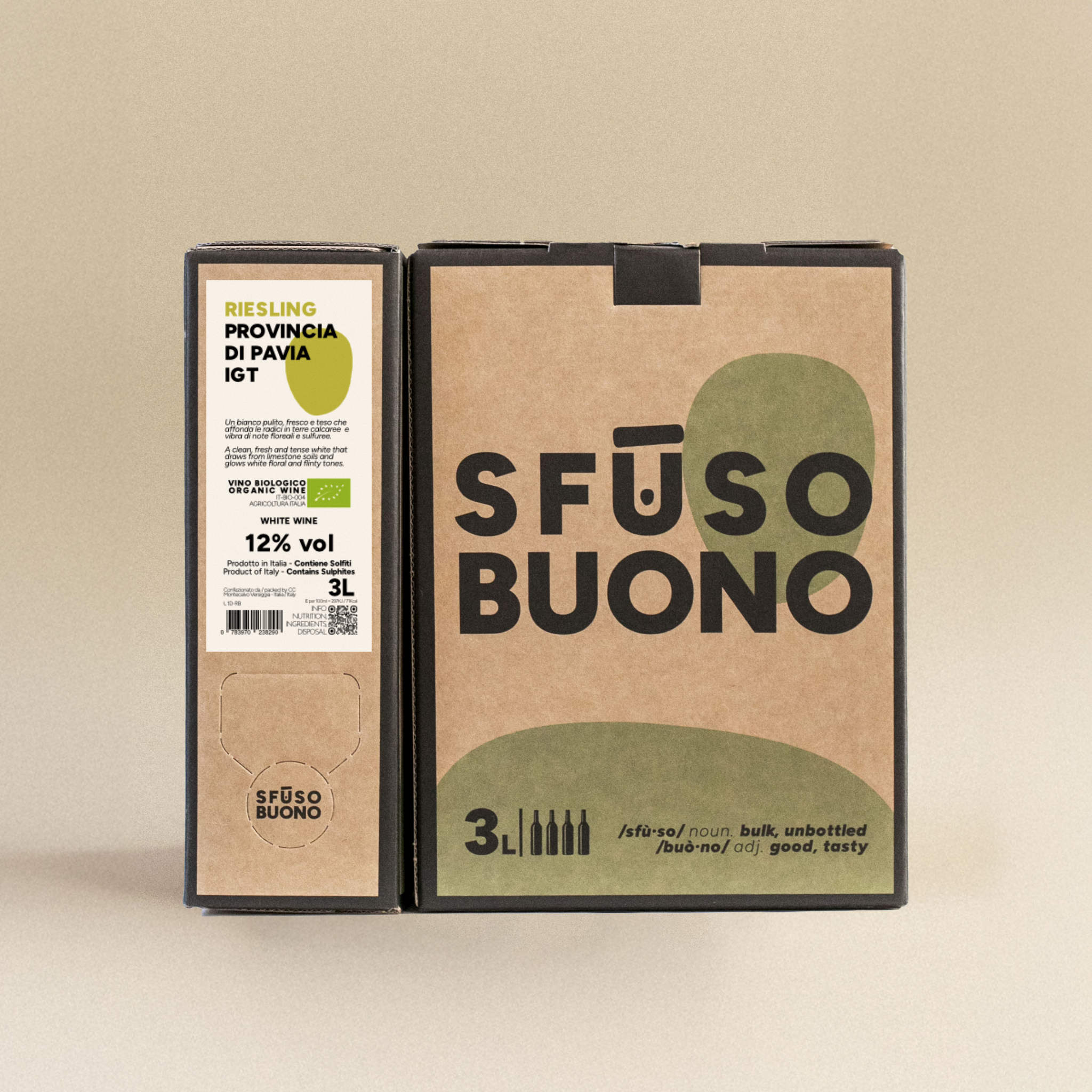
White wines bring a lighter, brighter profile than reds: citrus zest, white flowers, and fresh orchard fruit that pair naturally with seafood, fresh cheeses, poultry, and light appetizers. Here are a few classics and some playful ideas. Sicilian Catarratto with grilled cuttlefish or lemon-dressed prawns is an authentic regional match where the wine's salinity lifts the delicate seafood flavors. A Riesling in Bag-in-Box, with its zesty acidity and aromatic lift, proves surprisingly versatile with Asian dishes, from steamed dumplings to ginger-soy chicken. Cirelli's fresh, mineral-driven Trebbiano d'Abruzzo makes a fantastic companion to warm piadina filled with soft squacquerone cheese, fried paranza seafood, or an Adriatic fish stew. Sardinian Vermentino holds up gracefully against medium-aged pecorino, cured mullet bottarga, and steamed mussels. Crisp, savory Piedmontese Arneis pairs wonderfully with mixed sushi: its mineral backbone brightens the raw fish in an unexpected, delicious way. Finally, an easy-drinking, low-ABV white from Terre Grosse or Colleformica shines on its own as a summer aperitivo alongside light canapés and crunchy crudités.




![Mixed Box Autumn White Wines [4pcs]](http://sfusobuono.com/cdn/shop/files/Cover-BoxMisteBianchiAutunno.jpg?v=1758534194&width=2048)
![Mixed Box Autumn White Wines [4pcs]](http://sfusobuono.com/cdn/shop/files/VinoMacerato-AntonioCamillo-Retro.jpg?v=1766062357&width=2049)